The Nipah virus infection is a rare but highly dangerous zoonotic disease that has raised serious public health concerns in recent years. Known for its high mortality rate and potential to cause outbreaks, the Nipah virus poses a significant threat, particularly in South and Southeast Asia. Understanding the causes, symptoms, transmission methods, diagnosis, treatment, and prevention of Nipah virus disease is essential for early detection and effective control.
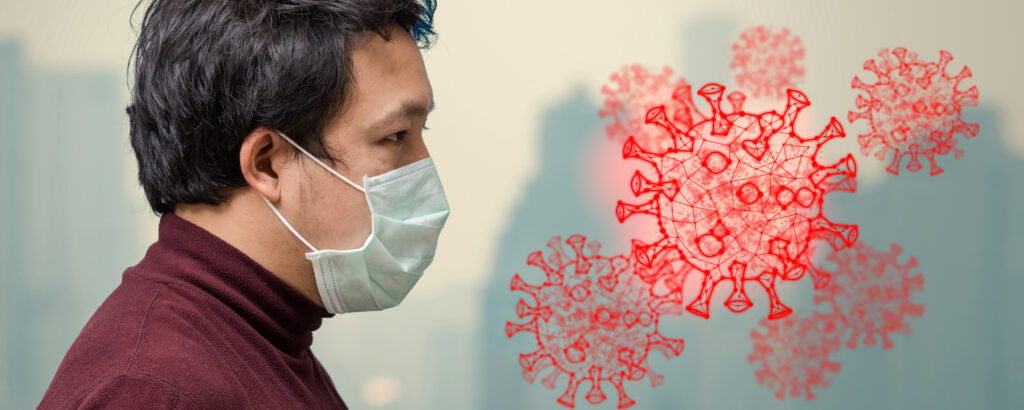
What Is Nipah Virus and Its Causes of Nipah Virus Infection
The Nipah virus (NiV) is a member of the Paramyxoviridae family and was first identified during an outbreak in Malaysia in 1998. The virus is naturally carried by fruit bats of the Pteropus species, also known as flying foxes. Humans can become infected through direct or indirect contact with infected animals, contaminated food, or infected individuals. Because of its ability to spread rapidly and cause severe illness, the World Health Organization (WHO) has listed Nipah virus as a priority pathogen requiring urgent research and development.
The primary cause of Nipah virus infection is exposure to the virus through natural animal hosts or infected humans. Key causes include: Consumption of raw date palm sap contaminated by fruit bats Direct contact with infected bats, pigs, or other animals Human-to-human transmission through close contact with bodily fluids Exposure to contaminated surfaces in healthcare or household settings The long incubation period of Nipah virus, which can range from 5 to 14 days (and sometimes longer), makes tracking and controlling outbreaks more difficult.
Symptoms of Nipah Virus Disease in Humans
High fever Headache Muscle pain Sore throat Vomiting
As the disease progresses, patients may develop:
Acute respiratory distress Dizziness and confusion Altered consciousness Seizures Encephalitis (brain inflammation) Coma in severe cases
How Nipah Virus Spreads
Understanding how Nipah virus spreads from animals to humans is crucial for prevention. The virus spreads through: Animal-to-human transmission: Contact with infected fruit bats or pigs. Foodborne transmission: Consuming fruits or date palm sap contaminated with bat saliva or urine. Human-to-human transmission: Close physical contact with infected individuals, especially in healthcare settings. Several outbreaks in India and Bangladesh have demonstrated the significant role of human-to-human transmission of Nipah virus.
Diagnosis of Nipah Virus Infection
Early diagnosis plays a vital role in controlling Nipah virus outbreaks. Laboratory diagnosis of Nipah virus infection is done using: Real-time polymerase chain reaction (RT-PCR) Enzyme-linked immunosorbent assay (ELISA) Virus isolation in specialized laboratories Because the symptoms resemble other viral infections, accurate testing is essential to confirm the disease and initiate isolation protocols.
Treatment Options for Nipah Virus
Currently, there is no specific antiviral treatment or licensed vaccine for Nipah virus infection. Medical care is largely supportive and focuses on managing symptoms and complications. Treatment includes: Intensive supportive care Respiratory support if needed Management of neurological symptoms Strict infection control practices Some antiviral drugs and monoclonal antibodies are under clinical research, but supportive treatment remains the primary approach for Nipah virus patients.
Prevention and Control of Nipah Virus Infection
Preventing Nipah virus requires a combination of public awareness, food safety practices, and infection control measures. Key prevention strategies for Nipah virus infection include:
Avoiding consumption of raw date palm sap Washing and peeling fruits before eating Preventing bats from accessing food products Using personal protective equipment (PPE) when caring for infected patients Isolating confirmed and suspected cases promptly Educating communities in high-risk areas
Nipah Virus Outbreaks in India and Globally
India has experienced several Nipah virus outbreaks, particularly in Kerala. These outbreaks highlighted the importance of early surveillance, contact tracing, and rapid response systems. Globally, Nipah virus continues to be monitored due to its pandemic potential and high fatality rate.
Conclusion
The Nipah virus infection remains one of the most dangerous emerging infectious diseases due to its high mortality rate, lack of specific treatment, and potential for human-to-human transmission. Increased awareness, early diagnosis, strong healthcare infrastructure, and preventive measures are essential to reduce the risk of future outbreaks. By understanding the causes, symptoms, transmission, treatment, and prevention of Nipah virus disease, individuals and healthcare systems can better protect themselves and respond effectively.














Comments
Leave a comment